
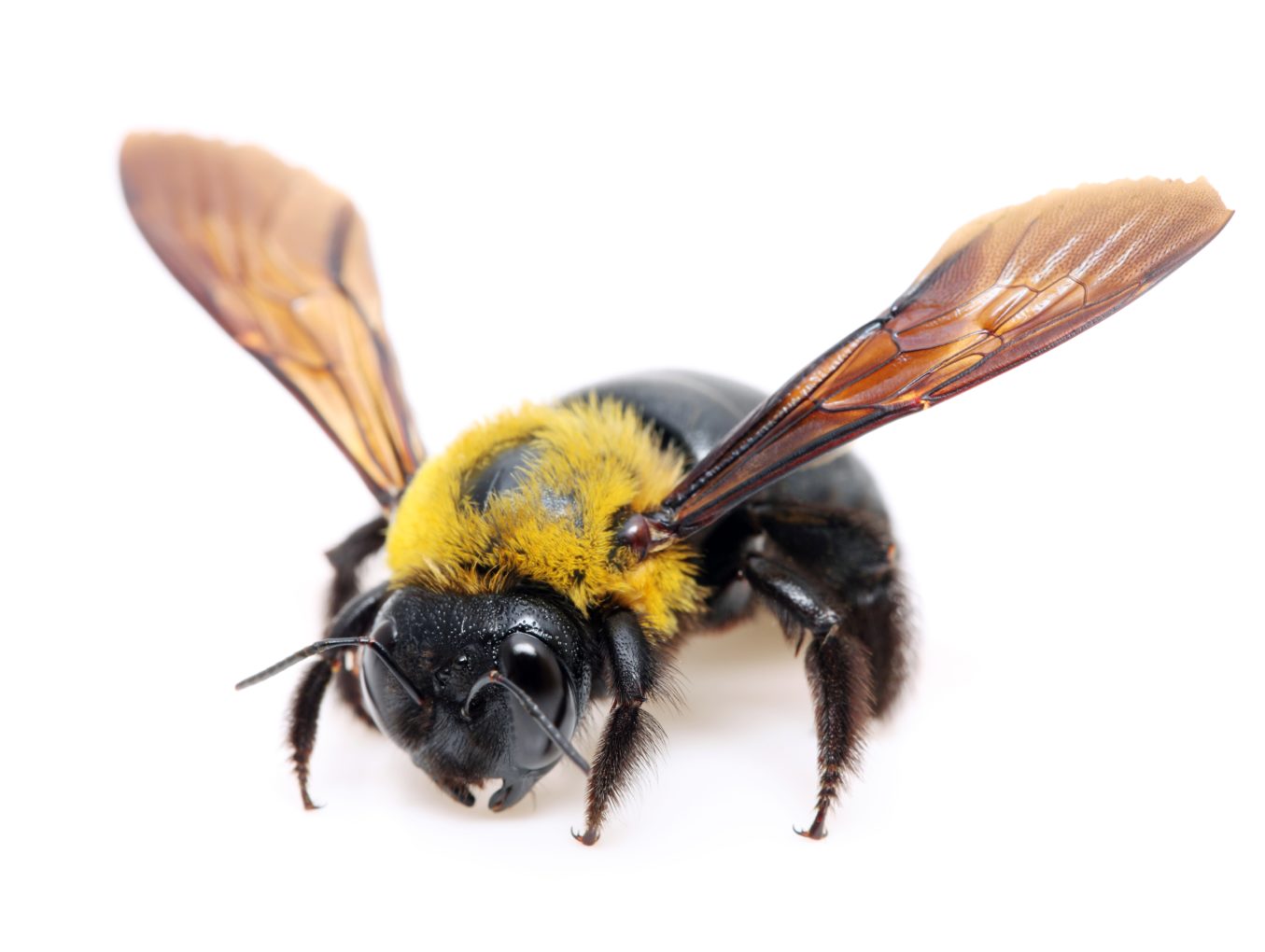
Stinging Insects In Nebraska
Pests can transmit disease so pest management in your house is essential. Omaha, Nebraska is a city in the center of the agricultural Midwest and centers around the farms and crops that feed our world and provide employment for its citizens. Exterminators at Omaha Pest Control, Inc. have over 25 years experience with pest inspection, pest treatment and pest control of bees, wasps, hornets and other pests.
Stinging Insect Facts, Identification & Control
Wasps, yellowjackets, hornets and other stinging insects, are common summertime pests whose stings can be more than just a painful nuisance. The National Pest Management Association reports that stinging insects send more than half a million people to the emergency room every year. Those with allergies to stings are most at risk, but anyone can be affected if a large number of stinging insects swarm and sting at once.
Wasp and Bee Appearance
- Western honey bee: Amber to brown translucent alternating with black stripes.
- Bumble bee: Yellow with black stripes, sometimes with red tail.
- Yellow jacket: Black and opaque bright yellow stripes.
- Paper wasp: Dusty yellow to dark brown or black.

With over 25 years of experience, Omaha Pest Control provides reliable Wasp and Pest management for your home and family. - Bald-faced hornet: Black and ivory white markings.
- European hornet: Black and dark body with yellow.
Wasp and Bee Behavior
- Bees: Gentile
- Paper wasp: Gentile
- European hornet: Gentile
- Yellow jacket: Aggressive
- Bald-faced hornet: Aggressive
Food and Survival
- Bees; Pollen and nectar from flowers
- Yellow jacket: Other insects, overripe fruits, sugary drinks, food, wastes
- Paper wasp: Other insects
- Hornets: Other insects
Living Quarters
- Western honey bee: Large colonies of flat wax-based honeycomb hanging vertically.
- Bumblebee: Small cavities in the soil.
- Yellow jacket: Small umbrella-shaped papery combs.
- Paper wasp: Small umbrella-shaped papery combs.
- Hornets: Large paper nests in hollow trees, from branches, sheltered positions.
A bee can only sting you once, while hornets and wasps can sting you multiple times.
- Bees are fuzzy pollen collectors that usually die shortly after stinging people (because the stinger remains in the skin preventing a second attack). Bees don’t die every time though; the primary purpose is to sting other bees, which doesn’t result in a loss of the stinger.
- Wasps are members of the family Vespidae, which includes yellow jackets and hornets. Wasps generally have two pairs of wings and are not fuzzy. Only the females have stingers and they can sting repeatedly.
- Hornets are a small subset of wasps not native (the yellow jacket is not truly a hornet). Like other wasps, hornets can sting over and over again and become very aggressive.